
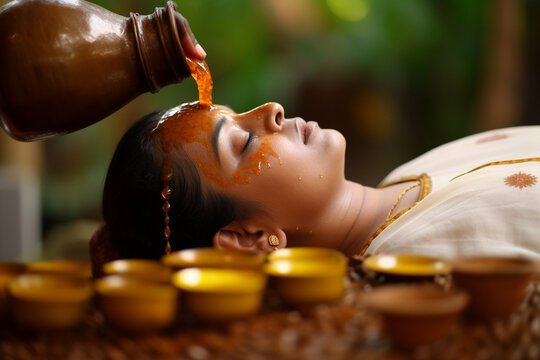
Panchakarma is a cornerstone of Ayurvedic medicine, designed to detoxify and rejuvenate the body, mind, and spirit. Whether you’re new to Ayurveda or looking to deepen your understanding, this guide will introduce you to what Panchakarma involves, how it works, and what you can expect during the process. Panchakarma is known for promoting healing, balance, and well-being by targeting the root causes of imbalances in the body. This treatment has been used for centuries, but it is still highly relevant today, especially for those seeking a holistic approach to health.
What Is Panchakarma?
Panchakarma is a Sanskrit term meaning “five actions” or “five treatments.” It refers to a set of five therapeutic procedures that cleanse the body of accumulated toxins and restore balance to the doshas (the fundamental energies governing physical and mental processes). These doshas—Vata, Pitta, and Kapha—when out of balance, can lead to various health issues. Panchakarma works to eliminate toxins from the body, improve digestion, enhance metabolism, and restore harmony to the doshas.
The Five Primary Panchakarma Treatments
- Vamana (Therapeutic Emesis): Vamana is the process of controlled vomiting used to eliminate toxins from the upper respiratory and gastrointestinal systems. This treatment is especially effective for Kapha imbalances.
- Virechana (Purgation): Virechana therapy focuses on removing Pitta-related toxins from the intestines by inducing bowel movements. This helps to cleanse the liver, gall bladder, and digestive tract.
- Basti (Enema Therapy): Basti is a therapeutic enema that targets the colon to eliminate Vata-related toxins. Herbal oils or decoctions are used to nourish and cleanse the colon, making it a key treatment for Vata imbalances.
- Nasya (Nasal Administration): Nasya involves the administration of herbal oils through the nose to clear the respiratory system and relieve stress. This treatment is highly effective for Kapha and Vata doshas.
- Raktamokshana (Bloodletting): Raktamokshana is a specialized therapy for purifying the blood and is often used for treating Pitta disorders. This ancient practice helps in removing blood toxins and treating various skin conditions.
Who Should Consider Panchakarma?
Panchakarma is beneficial for anyone looking to detoxify their body, improve immunity, and achieve optimal well-being. Whether you have a specific health issue or just want to maintain overall health, this treatment can be personalized to suit individual needs. Panchkarma Treatment in Udaipur is especially popular for those looking for authentic and holistic Ayurvedic care.
The best candidates for Panchakarma are individuals suffering from chronic stress, fatigue, digestive problems, autoimmune disorders, or inflammatory conditions. Additionally, Panchakarma is highly recommended as a seasonal cleanse to rejuvenate the body and mind after periods of intense work or emotional stress.
What to Expect During Panchakarma
One of the key aspects of Panchakarma is its individualized approach. An Ayurvedic practitioner will assess your doshas and current health condition to design a personalized treatment plan that includes pre-treatment, core Panchakarma therapies, and post-treatment care.
Here’s a breakdown of the three stages of Panchakarma treatment:
1. Purva Karma (Preparation Phase)
The first step of Panchakarma involves preparing the body to eliminate toxins. This phase can last anywhere from a few days to a week, depending on your health condition and dosha imbalances. Two key techniques are used during this phase:
- Snehana (Oleation Therapy): Snehana involves massaging the body with medicated oils to loosen up toxins stored in the tissues. These toxins are then drawn to the digestive system, where they can be expelled more easily during the treatment.
- Swedana (Sweating Therapy): Swedana is typically done after Snehana to open the body’s channels and promote the movement of toxins toward the digestive tract. Herbal steam is often used to enhance this process.
2. Pradhana Karma (Main Panchakarma Treatments)
This is the core stage of Panchakarma and involves administering one or more of the five treatments mentioned above. Your Ayurvedic practitioner will choose the appropriate treatments based on your dosha imbalances and health needs. This stage can last for several days to weeks, depending on your condition.
During the main treatment phase, it’s essential to follow a specific diet and lifestyle to support the body’s detoxification process. Your diet will likely consist of light, warm, and easily digestible foods such as khichdi (a simple dish made from rice and lentils) and herbal teas. The focus is on promoting digestion and allowing the body to rest and rejuvenate.
3. Paschat Karma (Post-Treatment Care)
Once the primary treatments are completed, post-treatment care (Paschat Karma) is vital to maintaining the benefits of Panchakarma. This phase focuses on gradually restoring the body to normal activity and includes:
- Rejuvenation Therapies: To nourish and strengthen the body after detoxification, rejuvenation therapies using herbal tonics and oils are administered.
- Dietary Adjustments: Post-treatment care includes following a specific diet that supports digestion and balances the doshas.
- Lifestyle Recommendations: Ayurvedic practitioners may recommend lifestyle changes, including yoga, meditation, and pranayama (breathing exercises), to help maintain the effects of Panchakarma and enhance overall well-being.
Benefits of Panchakarma
The benefits of Panchakarma are extensive and can vary based on individual health needs. However, some common benefits include:
- Detoxification: Panchakarma cleanses the body of toxins, which helps improve digestion and metabolism.
- Stress Relief: The treatments help calm the nervous system, reducing stress and promoting emotional balance.
- Improved Immunity: By eliminating toxins and balancing the doshas, Panchakarma helps strengthen the immune system.
- Enhanced Mental Clarity: Many people report better focus, mental clarity, and overall cognitive function after undergoing Panchakarma.
- Longevity and Rejuvenation: The treatment promotes longevity by reducing the wear and tear on the body, leading to increased vitality and a renewed sense of energy.
Panchakarma for Chronic Kidney Disease (CKD)
In addition to overall detoxification, Panchakarma can be beneficial for individuals with specific health conditions like chronic kidney disease (CKD). At Keraliya Ayurveda, ayurvedic treatment for CKD uses a specialized Panchakarma regimen to support kidney function, improve quality of life, and reduce the progression of the disease. Treatments focus on detoxifying the kidneys, reducing inflammation, and restoring balance to the body.
Conclusion
Panchakarma is a powerful Ayurvedic therapy that offers a holistic approach to healing. Whether you’re looking to detoxify your body, rejuvenate your mind, or manage a chronic condition, Panchakarma can provide significant benefits. By understanding what to expect and how the treatment works, you can embark on a transformative journey toward improved health and well-being.
Would you like a list of relevant keywords to optimize your content strategy further, or perhaps explore related topics for additional content creation? Let me know how I can assist!