
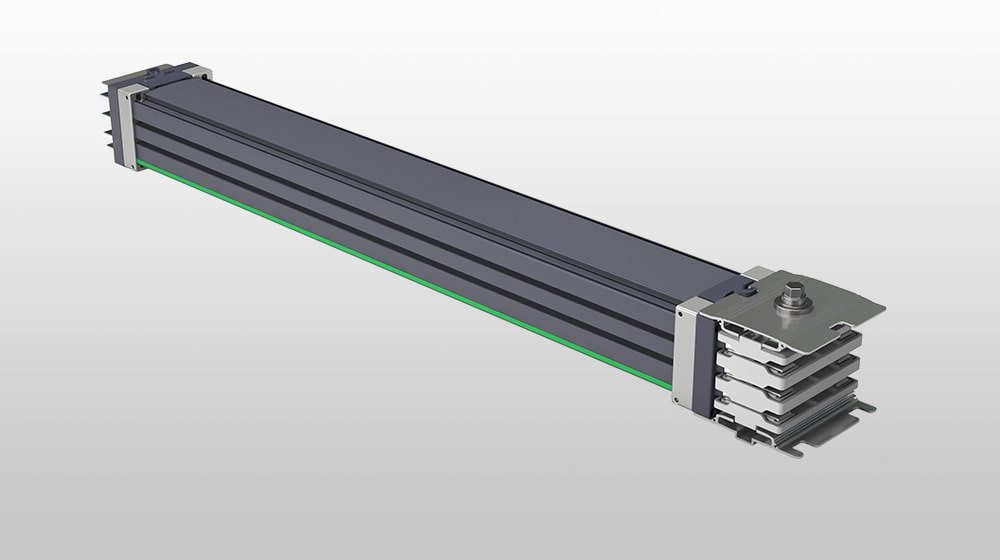
In the dynamic world of electrical installations, choosing the right system for power distribution is crucial. Two common options are busbar trunking and traditional cabling. Each has its advantages and specific applications, making it essential to understand their differences and suitability for various projects. This comprehensive guide will explore these options, helping you make an informed decision.
Understanding Busbar Trunking
Busbar trunking systems are an efficient method for distributing electricity within buildings. They consist of copper or aluminum busbars enclosed in a metal casing, providing a reliable and safe conduit for electrical power. Busbar trunking systems are known for their modularity, ease of installation, and ability to handle high power loads.
Advantages of Busbar Trunking
- Modular Design: Busbar trunking systems are modular, allowing for easy extension or modification without significant downtime. This makes them ideal for projects requiring future scalability.
- Space Efficiency: These systems are compact and take up less space compared to traditional cabling, making them suitable for installations in confined areas.
- Reduced Installation Time: The modular nature and pre-fabricated components of busbar trunking reduce installation time significantly, leading to cost savings.
- Safety: Enclosed busbars minimize the risk of electrical faults and fire hazards, enhancing the safety of the installation.
- High Load Capacity: Busbar trunking systems can handle high currents efficiently, making them ideal for industrial applications and large commercial buildings.
Exploring Traditional Cabling
Traditional cabling involves using insulated wires to distribute electricity. This method has been widely used for decades and is familiar to most electricians and engineers. Traditional cabling is versatile and can be customized to suit various project requirements.
Advantages of Traditional Cabling
- Flexibility: Traditional cables can be easily routed through walls, ceilings, and floors, making them versatile for different building layouts.
- Cost-Effective: For smaller projects or those with simple electrical needs, traditional cabling can be a more cost-effective solution.
- Availability: Cables and related accessories are widely available and come in various types to suit different applications and environments.
- Established Technology: As a long-standing method, traditional cabling has a well-established installation process and a large pool of experienced installers.
Comparing Busbar Trunking and Traditional Cabling
When deciding between busbar trunking and traditional cabling, several factors should be considered:
Installation and Maintenance
- Busbar Trunking: The modular design of busbar trunking allows for quick and easy installation. Maintenance is also simpler, as individual sections can be easily accessed and replaced if necessary.
- Traditional Cabling: Installation of traditional cabling can be more time-consuming, especially for complex layouts. Maintenance might involve more effort in tracing and accessing cables.
Safety and Reliability
- Busbar Trunking: Offers higher safety due to its enclosed design, which reduces the risk of electrical faults and fire hazards.
- Traditional Cabling: While generally safe, traditional cabling is more prone to damage and faults, especially if not installed correctly.
Cost Considerations
- Busbar Trunking: Initial costs can be higher due to the prefabricated components and sophisticated design. However, the reduced installation time and lower maintenance costs can offset these initial expenses.
- Traditional Cabling: Often cheaper upfront, but can incur higher labor costs for installation and potential maintenance issues over time.
Application Suitability
Choosing between busbar trunking and traditional cabling depends on the specific requirements of your project. Here are some scenarios to help you decide:
When to Choose Busbar Trunking
- Large Industrial Projects: High load capacity and modular design make busbar trunking ideal for factories, data centers, and large commercial buildings.
- Future Scalability: If your project requires future expansion, the modularity of busbar trunking provides an advantage.
- Space Constraints: In areas where space is limited, the compact nature of busbar trunking is beneficial.
When to Choose Traditional Cabling
- Smaller Projects: For residential buildings or small commercial spaces, traditional cabling is often sufficient and more cost-effective.
- Complex Layouts: If the building design requires cables to be routed through various pathways, the flexibility of traditional cabling is advantageous.
- Budget Constraints: Projects with tight budgets might benefit from the lower initial costs of traditional cabling.
Conclusion
Both busbar trunking and traditional cabling have their unique advantages and ideal applications. By understanding the strengths and limitations of each system, you can make a well-informed decision that best suits your project’s requirements.
For large-scale projects with high power demands and a need for future expansion, consider exploring busbar trunking. If your project is smaller or requires a more flexible and budget-friendly solution, Electrical panel installation services in India might be the right choice.
By carefully evaluating your project’s needs, you can ensure a reliable and efficient electrical distribution system that supports safety, performance, and future growth.