
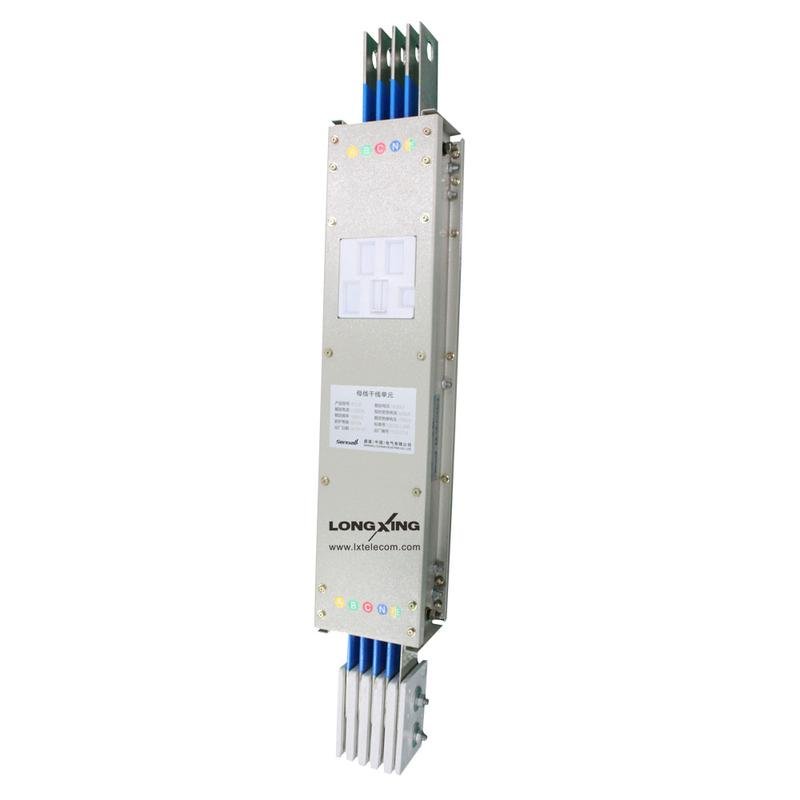
In today’s fast-paced industrial world, where power distribution plays a critical role in the smooth functioning of facilities, ensuring safety, efficiency, and flexibility is paramount. One technology that has gained significant attention for its ability to meet these needs is the Busbar Trunking System. As industries evolve and energy demands increase, the conventional cable-based systems are proving to be insufficient. Busbar trunking systems provide a modern, adaptable solution that not only enhances operational safety but also offers flexibility for future upgrades.
In this article, we will explore how Busbar Trunking Systems have become indispensable in industrial power networks, focusing on their safety benefits and adaptability in ever-changing environments.
What is a Busbar Trunking System?
A Busbar Trunking System (BTS) is an electrical distribution system that uses busbars to conduct electricity. Busbars are strips of conductive material (usually copper or aluminum) encased in a protective enclosure. These systems are used in place of traditional wiring methods to distribute electrical power in industrial buildings, factories, and data centers.
Unlike conventional cables, busbars offer higher current-carrying capacity, better space optimization, and ease of installation. Their modular nature makes them ideal for complex power networks in industrial environments, where adaptability and safety are crucial.
Key Advantages of Busbar Trunking Systems
1. Enhanced Safety Features
Safety is a top priority in industrial power networks, and Busbar Trunking Systems offer several key features that significantly enhance electrical safety:
- Fire Resistance: Busbars are typically enclosed in fire-resistant materials, reducing the risk of electrical fires. The protective casing also ensures that sparks or heat are contained, minimizing potential hazards.
- Reduced Risk of Overheating: Traditional cables are more prone to overheating, especially when carrying high currents over long distances. Busbar systems, on the other hand, offer better thermal management, which helps in maintaining temperature control and prevents overheating.
- Short Circuit Protection: The design of busbars naturally reduces the risk of short circuits. The rigid metal structure and protective casings minimize contact with external elements that could lead to faults or electrical malfunctions.
- Clear Circuit Segmentation: Busbar trunking systems allow for clear segmentation of electrical circuits. In case of maintenance or faults, individual sections can be isolated without affecting the entire network, reducing the likelihood of accidental electric shocks or exposure.
These safety features not only protect the industrial equipment but also ensure the well-being of the workers and the facility itself.
2. Flexibility and Modularity
Industrial environments are dynamic, with equipment, processes, and energy requirements changing frequently. A major advantage of Busbar Trunking Systems is their modular design, which allows for easy adjustments, expansions, and modifications:
- Ease of Expansion: As industries grow, power distribution needs change. The modular nature of busbar systems allows for easy integration of new equipment or machinery without major disruptions. Instead of installing new cables, additional busbar segments can be attached, saving time and cost.
- Quick Reconfigurations: Industries that require frequent changes to equipment layout benefit from the flexibility offered by busbar systems. Unlike fixed cables, busbar configurations can be easily altered to suit new layouts, reducing downtime during reconfigurations.
- Future-Proofing Power Networks: The ability to handle high currents and future power demands makes busbar systems a future-proof solution. They can accommodate future expansions and upgrades without the need for a complete overhaul of the existing infrastructure.
This flexibility not only reduces installation costs but also minimizes downtime, enabling businesses to maintain operational efficiency during upgrades or changes.
Busbar Trunking Systems vs. Traditional Cable Systems
When comparing Busbar Trunking Systems to traditional cable-based systems, the advantages in safety and flexibility become even more apparent:
- Space Optimization: Traditional cables often take up considerable space and are harder to manage in confined industrial environments. In contrast, busbars have a compact design, saving valuable space and reducing clutter in control rooms and equipment bays.
- Maintenance Efficiency: Cables can be difficult to maintain, especially in complex installations. In the event of a fault, locating and replacing a damaged cable can be time-consuming and costly. With busbars, maintenance is more efficient, as each section is easily accessible and modular, reducing both time and cost.
- Longevity and Durability: Busbars are known for their longevity. Unlike cables that can degrade over time due to environmental factors such as moisture, heat, or chemical exposure, busbars are highly durable and built to last in industrial environments, where conditions are often harsh.
The Role of Busbar Trunking Systems in Energy Efficiency
Another significant benefit of Busbar Trunking Systems is their contribution to energy efficiency:
- Lower Energy Losses: Busbars have lower impedance compared to cables, meaning there is less resistance in the flow of electricity. This results in lower energy losses, making the system more energy-efficient and cost-effective in the long run.
- Improved Power Quality: The solid design of busbars ensures better conductivity, reducing voltage drops and enhancing power quality. This ensures that industrial equipment operates at optimal performance levels, reducing wear and tear and extending the equipment’s lifespan.
Conclusion
The need for reliable, safe, and flexible power distribution systems in industrial settings cannot be overstated. As industries continue to expand and modernize, the Busbar Trunking System offers a future-proof solution that meets the growing demands of complex electrical networks. By enhancing safety with fire-resistant materials, short-circuit protection, and improved thermal management, busbars provide a more secure environment for workers and equipment alike. Additionally, their modular design ensures flexibility, allowing for easy reconfigurations and expansions as industrial needs evolve.
Whether you are installing new equipment or upgrading an existing power distribution system, integrating a Busbar Trunking System can significantly improve operational efficiency, reduce downtime, and enhance overall safety. For installations involving large-scale electrical components like transformers, partnering with experts for a Transformer installation can ensure smooth commissioning and further improve the reliability of your industrial power network.