
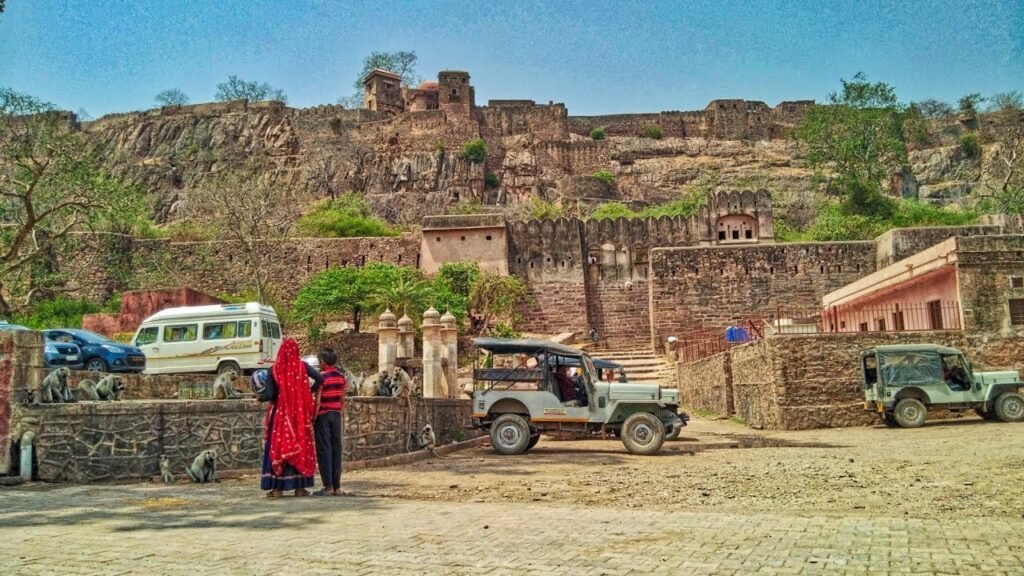
Ranthambore Fort stands as a majestic testimony to India’s vibrant history and architectural grandeur. Nestled within the Ranthambore National Park in Rajasthan, this ancient fort has witnessed centuries of battles, rulers, and cultural evolution. Its strategic location on the Aravalli and Vindhya hill ranges makes it a significant landmark, blending natural beauty with historical importance. Today, Ranthambore Fort is not only a heritage site but also a crucial element of Ranthambore’s rich tourism landscape, often visited alongside luxury accommodations like the best resort in Ranthambore.
A Fortress of Strategic Significance
Built in the 10th century by the Chauhan dynasty, Ranthambore Fort was strategically designed to safeguard their territory from invaders. Its location amidst dense forests and rugged terrains made it an impregnable fortress. The fort was an epicenter of power during the reign of Prithviraj Chauhan, whose lineage expanded its influence across Rajasthan. This stronghold not only protected the region from northern invaders but also served as a key base for the Rajput resistance against Mughal expansion during the medieval period.
Over the centuries, the fort changed hands, witnessing the rule of the Delhi Sultanate, the Mughals, and the Marathas. Despite enduring several sieges, Ranthambore Fort stood resilient, symbolizing the indomitable spirit of its defenders. The fort’s history is steeped in valor and heroism, making it a quintessential site for those interested in India’s martial legacy.
Architectural Grandeur and Sacred Heritage
The architectural brilliance of Ranthambore Fort is a visual treat. The sprawling structure spans over seven kilometers and is adorned with intricate carvings, bastions, and massive gateways. The fort’s design seamlessly integrates with its natural surroundings, blending aesthetic appeal with defensive functionality. Its towering walls, built to withstand sieges, speak of advanced military engineering of the era.
Within its precincts lie several temples, mosques, and stepwells, showcasing India’s secular and diverse cultural heritage. The Trinetra Ganesh Temple, one of the oldest temples dedicated to Lord Ganesha, is a major attraction for pilgrims and history enthusiasts alike. Visitors can also explore the ruins of palaces, cenotaphs, and hammams, each narrating a unique story of the fort’s glorious past.
A Witness to Legendary Battles
Ranthambore Fort has been the battleground for numerous legendary confrontations. One of the most notable sieges occurred during the reign of Sultan Alauddin Khilji in 1303. The fort was fiercely defended by the brave Rajput ruler, Raja Hammir Dev Chauhan, against Khilji’s formidable army. Despite the odds, the resistance of the Rajput warriors remains an inspiring chapter in Indian history.
The fort also played a crucial role during the reign of Akbar, the great Mughal emperor. Recognizing its strategic importance, Akbar captured Ranthambore Fort to consolidate his control over Rajasthan. These historical events make the fort an emblem of resilience and political significance in medieval India.
Ranthambore Fort and Wildlife Conservation
In contemporary times, Ranthambore Fort has become synonymous with wildlife conservation due to its location within Ranthambore National Park. The park, known for its thriving tiger population, is a hotspot for wildlife enthusiasts and conservationists. Visitors often combine their exploration of the fort with a thrilling Jeep Safari in Ranthambore, making it a holistic experience of nature and history.
The presence of the fort within the park has contributed to the protection of the surrounding forested area. This symbiotic relationship between history and conservation highlights the fort’s continuing relevance in India’s cultural and environmental landscape.
A UNESCO World Heritage Site
Ranthambore Fort is part of the UNESCO World Heritage Site designation under the group of “Hill Forts of Rajasthan.” This recognition underscores its architectural and historical value on a global scale. The fort not only attracts history buffs but also researchers and academics who delve into its intricate past. The UNESCO status has also helped in preserving the fort, ensuring its legacy endures for future generations.
A Gateway to Cultural Exploration
For modern travelers, Ranthambore Fort serves as more than just a historical landmark. It is a gateway to understanding India’s rich cultural tapestry. From the vibrant tales of Rajput kings to the architectural marvels of bygone eras, the fort encapsulates the essence of Indian heritage. Guided tours, often curated by local experts, provide an immersive experience, bringing to life the stories etched into its walls.
Moreover, the fort’s elevated position offers breathtaking panoramic views of Ranthambore National Park, creating a serene and contemplative ambiance. This unique blend of history, architecture, and nature makes Ranthambore Fort a must-visit destination for those seeking a deeper connection with India’s legacy.
Conclusion
Ranthambore Fort stands as a timeless sentinel, guarding the tales of India’s illustrious past. Its strategic importance, architectural magnificence, and role in shaping India’s history make it a treasure trove for historians and travelers alike. Combined with the allure of Ranthambore National Park, the fort offers a perfect blend of culture, adventure, and natural beauty. Whether you’re exploring its hallowed halls or embarking on a thrilling jeep safari, the experience of Ranthambore is one of discovery and awe, truly capturing the spirit of Rajasthan.