
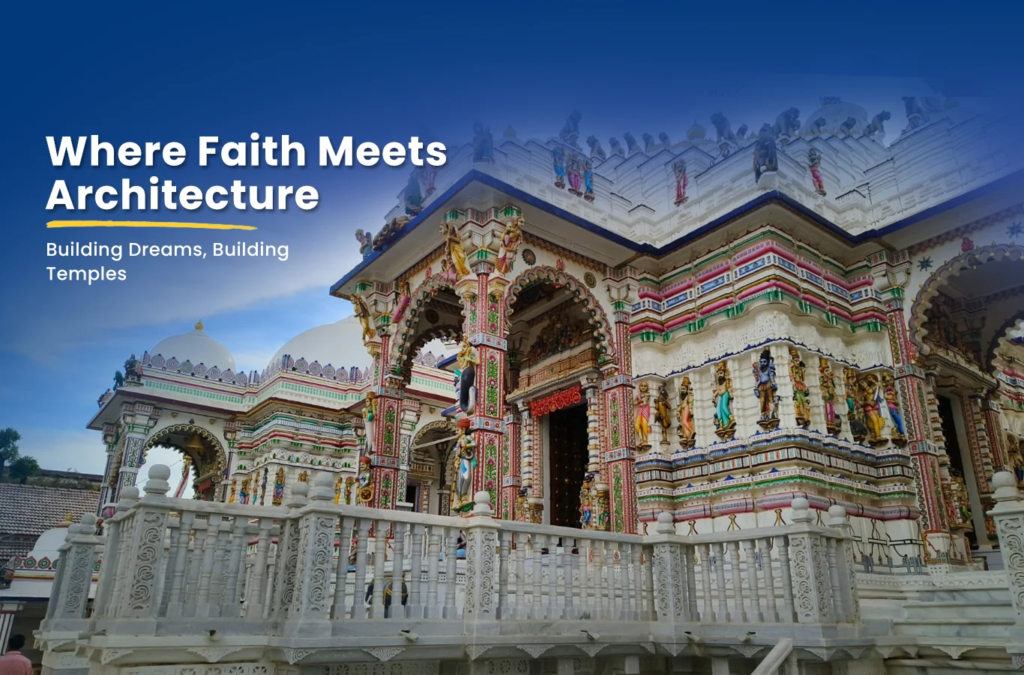
Temple construction is an intricate process that involves a blend of spirituality, artistry, and architectural expertise. Temple Architects in India, particularly those from the Jain Temple Sompura community, have long maintained a tradition of excellence in creating temples that reflect both aesthetic beauty and divine sanctity. However, in modern times, Temple Construction Services in Rajasthan face a host of challenges in delivering projects that adhere to traditional craftsmanship while meeting contemporary needs. This article explores the key challenges faced by those offering temple construction services today and how they are overcoming these obstacles.
1. Balancing Tradition with Modern Demands
Maintaining Religious Significance
Temples are not just buildings; they are places of worship and spiritual connection. Traditional Temple Architects in India, particularly those from the Jain Temple Sompura lineage, are deeply committed to adhering to centuries-old architectural styles, such as precise proportions, ornamentation, and sacred layouts that align with principles like Vastu Shastra.
However, in modern times, there is a growing demand for:
- Larger Structures: Temples must accommodate large numbers of visitors and provide modern amenities such as parking spaces, better accessibility, and air conditioning.
- Technological Integration: The inclusion of modern technology for lighting, sound, and security must be balanced with traditional aesthetics and spiritual integrity.
Temple Construction Services in Rajasthan often find it challenging to balance these needs while retaining the sacredness and traditional character of the temple.
2. Skilled Labor Shortage
Traditional Craftsmanship vs. Modern Skills
The art of traditional temple carving, stone masonry, and sculpture is a highly specialized skill passed down through generations, especially by the Jain Temple Sompura community. However, today, there is a growing shortage of skilled artisans capable of performing the intricate work required for temple construction.
- Training and Preservation of Skills: While many modern construction workers are trained in contemporary building practices, fewer are skilled in the ancient techniques used to carve marble and granite for temple structures.
- Rising Costs of Labor: The high skill level required also leads to increased costs for labor-intensive processes such as stone carving, woodwork, and intricate sculpture.
Temple Architects in India and Temple Construction Services in Rajasthan have been working to address this by providing training programs and collaborating with artisans to preserve these traditional skills.
3. Financial Constraints
High Costs of Construction
Building a temple, especially one that adheres to traditional styles and materials, is a costly endeavor. Temples require expensive materials like marble, granite, and sandstone, as well as intricate craftsmanship that demands skilled labor.
- Cost of Materials: Jain Temple Sompura architects often use high-quality stone, marble, and other durable materials that come at a premium.
- Investment in Sustainable Practices: The demand for eco-friendly construction methods adds additional costs, as sustainable materials and energy-efficient systems often require a larger initial investment.
For many communities, securing sufficient funding for large-scale temple projects becomes a significant challenge. Temple Construction Services in Rajasthan often need to work closely with donors and community leaders to raise funds and manage the financial aspects of construction.
4. Environmental and Climatic Challenges
Adapting to Regional Conditions
Rajasthan, where many Jain Temple Sompura projects are located, faces unique climatic and environmental challenges. The state experiences extreme temperatures, water scarcity, and arid conditions, all of which affect the construction process.
- Water Conservation: Sustainable water management systems are a necessity but also come with technical difficulties, especially in regions that experience droughts.
- Temperature Control: Managing the interior temperature of temples in extremely hot climates requires careful design, such as the use of thick walls, natural ventilation, and, increasingly, solar energy systems.
- Preserving the Environment: Ensuring that temple construction does not disrupt local ecosystems requires attention to environmental planning and material sourcing.
Temple Construction Services in Rajasthan must adapt to these conditions and utilize materials and designs that are both sustainable and resilient to the harsh environment.
5. Regulatory and Legal Issues
Navigating Construction Laws and Permissions
The construction of religious structures often faces a variety of legal challenges. Temple Architects in India and Temple Construction Services in Rajasthan must navigate local zoning laws, heritage preservation regulations, and environmental permissions.
- Heritage Protection: Many temples are constructed in areas of historical or cultural significance, requiring additional permits for restoration or new construction.
- Land Use Regulations: The growing urbanization of Rajasthan and other parts of India has led to stricter land-use regulations, which can complicate the process of securing suitable land for temple construction.
- Safety and Compliance: Ensuring that the temple is compliant with fire safety, structural integrity, and other regulatory standards adds another layer of complexity to temple projects.
Working with local authorities, legal teams, and urban planners is essential for navigating these legal challenges effectively.
6. Incorporating Modern Technology
Ensuring the Preservation of Traditional Design
One of the biggest challenges in offering temple construction services today is integrating modern technology while maintaining traditional aesthetics. Technology can be used to:
- Improve Structural Integrity: Modern engineering techniques can help enhance the durability of the structure, but these cannot disrupt the temple’s spiritual and architectural integrity.
- Sustainability and Energy Efficiency: The use of solar power, rainwater harvesting, and LED lighting systems is increasingly common, but these modern systems must be incorporated in a way that doesn’t overpower the traditional aesthetic of the temple.
Temple Construction Service in Rajasthan must work with architects to ensure that these technologies are seamlessly integrated into the temple’s design without altering its spiritual ambiance.
7. Ensuring Community Involvement
Managing Expectations and Contributions
Temple construction is often a community-driven project. This means that the expectations of devotees, local leaders, and donors can vary, making it difficult to manage the project efficiently.
- Balancing Cultural Significance: Different communities may have specific cultural preferences, which can influence the design and execution of the temple.
- Fundraising and Community Contributions: The need for continued financial support and community involvement throughout the construction process requires effective communication and transparency.
Temple Architects in India and Temple Construction Services in Rajasthan must ensure that all parties involved feel heard and valued while maintaining the project’s integrity.
Conclusion
The challenges in offering temple construction services today are numerous, but they are not insurmountable. By balancing traditional designs with modern needs, preserving ancient craftsmanship, navigating financial and legal hurdles, and incorporating sustainable practices, Temple Architect in India, including the Jain Temple Sompura community, continue to create temples that reflect both the spirit of the past and the needs of the present.
Despite the challenges, the dedication of Temple Construction Services in Rajasthan ensures that temples remain sacred spaces, providing a lasting legacy for future generations of worshippers. With careful planning, collaboration, and respect for tradition, these challenges can be overcome to build temples that stand as pillars of culture, spirituality, and architectural excellence.