
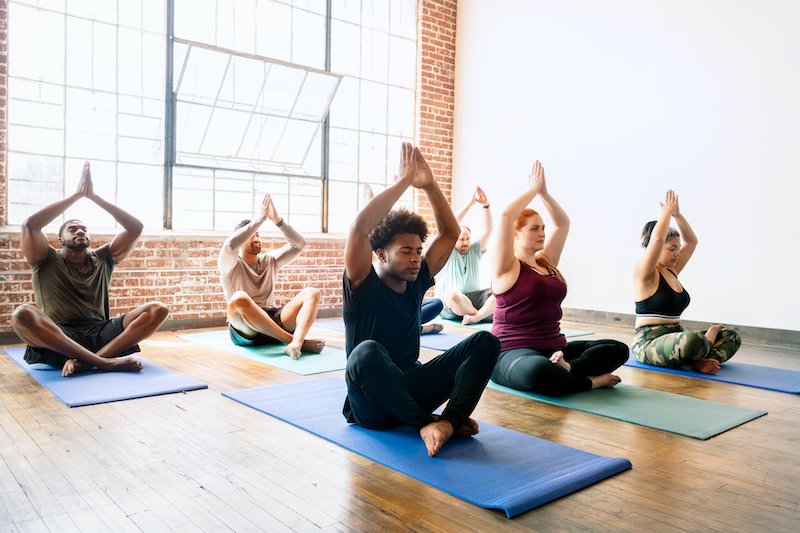
Embarking on your yoga journey can feel both exciting and intimidating. Yoga, an ancient practice rooted in physical postures, breathing exercises, and meditation, offers numerous benefits for the mind, body, and spirit. If you’re new to yoga, it’s essential to start with a clear understanding of its fundamentals and a guided approach to make the most of your experience. This guide will walk you through the basics of yoga and provide actionable steps to help you ease into your first practice.
What Is Yoga?
Yoga is more than just a physical workout; it’s a holistic practice that unites the mind, body, and breath. In ancient India, yoga combines physical postures (asanas), breathing techniques (pranayama), and meditation to promote overall well-being. While the physical benefits, such as improved flexibility and strength, are well-known, yoga also fosters mental clarity and emotional balance.
Why Should Beginners Practice Yoga?
If you’re wondering whether yoga is right for you, consider its many benefits:
- Improved Flexibility and Strength: Yoga stretches and strengthens your muscles, enhancing your body’s overall function.
- Stress Reduction: Through mindful breathing and meditation, yoga helps calm your mind and reduce stress.
- Better Posture and Alignment: Regular practice can correct posture issues caused by prolonged sitting or poor habits.
- Increased Focus: Yoga sharpens mental focus and improves your ability to concentrate.
For beginners, yoga offers a safe and gentle way to introduce movement into daily life while promoting mindfulness.
What to Expect in Your First Yoga Class
Your first yoga class can be an enlightening experience. Here’s what you should know before stepping onto your mat:
- Set Realistic Expectations
Yoga is not about perfection. It’s about progress. Be patient with your body and give yourself time to adapt to new movements. - Dress Comfortably
Wear clothing that allows freedom of movement, such as breathable leggings or shorts and a comfortable top. - Bring Essentials
A yoga mat, a water bottle, and a towel are all you need to get started. Some studios also provide mats and props. - Arrive Early
Arriving 10-15 minutes early helps you settle in and familiarize yourself with the studio environment.
A Step-by-Step Guide to Your First Yoga Practice
1. Start with Breathing
Breathing is the foundation of yoga. Begin by sitting comfortably on your mat with a straight spine. Close your eyes and take slow, deep breaths. Focus on the sensation of the air entering and leaving your nostrils. This practice, known as pranayama, helps you connect with your body and prepare for the session.
2. Warm-Up Poses
Before moving into more challenging postures, warm up your body with gentle stretches:
- Cat-Cow Stretch (Marjaryasana-Bitilasana): Transition between arching and rounding your spine to loosen your back and neck muscles.
- Child’s Pose (Balasana): Stretch your lower back and hips while resting your forehead on the mat.
3. Basic Standing Poses
Standing poses improve balance and strength. For beginners, focus on:
- Mountain Pose (Tadasana): Stand tall with your feet hip-width apart and arms at your sides. Engage your core and relax your shoulders.
- Warrior I (Virabhadrasana I): Step one foot forward and bend the knee while keeping the other leg extended. Raise your arms overhead for a stretch through the chest and shoulders.
4. Seated Poses
Seated poses are excellent for stretching the hips and hamstrings:
- Seated Forward Bend (Paschimottanasana): Extend your legs in front of you and gently reach for your toes.
- Butterfly Pose (Baddha Konasana): Sit with the soles of your feet together and knees bent outward. Press your knees toward the floor for a gentle hip stretch.
5. Relaxation Pose
Every yoga session ends with Savasana (Corpse Pose). Lie flat on your back with your arms relaxed at your sides. Close your eyes and focus on releasing tension from your body, one muscle group at a time.
Tips for Beginners to Maximize Their Yoga Experience
- Listen to Your Body
Never push yourself into pain. Yoga is about respecting your body’s limits. - Use Props
Blocks, straps, and bolsters can make poses more accessible and comfortable for beginners. - Stay Consistent
Aim for regular practice, even if it’s just 10-15 minutes a day. Consistency leads to noticeable progress over time. - Find the Right Class
Look for classes specifically designed for beginners, such as yoga classes in Navi Mumbai, which offer a supportive environment for new learners.
Common Challenges for Yoga Beginners and How to Overcome Them
- Feeling Intimidated
It’s normal to feel out of place initially, but remember, everyone was a beginner once. Focus on your practice instead of comparing yourself to others. - Difficulty with Flexibility
Flexibility improves with time. Modify poses as needed and use props to support your body. - Trouble with Balance
Balance comes with practice. Start with simpler poses and gradually progress to more challenging ones. - Staying Consistent
Create a routine by setting aside a specific time for yoga each day.
The Importance of Yoga Philosophy for Beginners
While the physical poses are a significant part of yoga, understanding its philosophy adds depth to your practice. The Eight Limbs of Yoga, as outlined in ancient texts, provide a roadmap for leading a balanced and fulfilling life. These principles encourage self-discipline, mindfulness, and compassion.
When and Where Should Beginners Practice Yoga?
- At Home: Start with online tutorials or yoga apps to practice in the comfort of your home.
- In a Studio: Joining a yoga class offers the benefit of professional guidance and community support.
If you’re based in Maharashtra, consider yoga classes in Navi Mumbai for a structured and beginner-friendly introduction to yoga.
Conclusion
Yoga is a transformative practice that offers something for everyone, regardless of age, fitness level, or experience. By starting slowly, focusing on your breath, and being kind to yourself, you can build a sustainable yoga practice that enriches your physical and mental well-being.
Remember, yoga is not about achieving the perfect pose; it’s about the journey toward self-awareness and inner peace. Whether you practice at home or join yoga classes in Navi Mumbai, the most important step is to start. So, roll out your mat, take a deep breath, and embrace the practice of yoga with an open heart.