


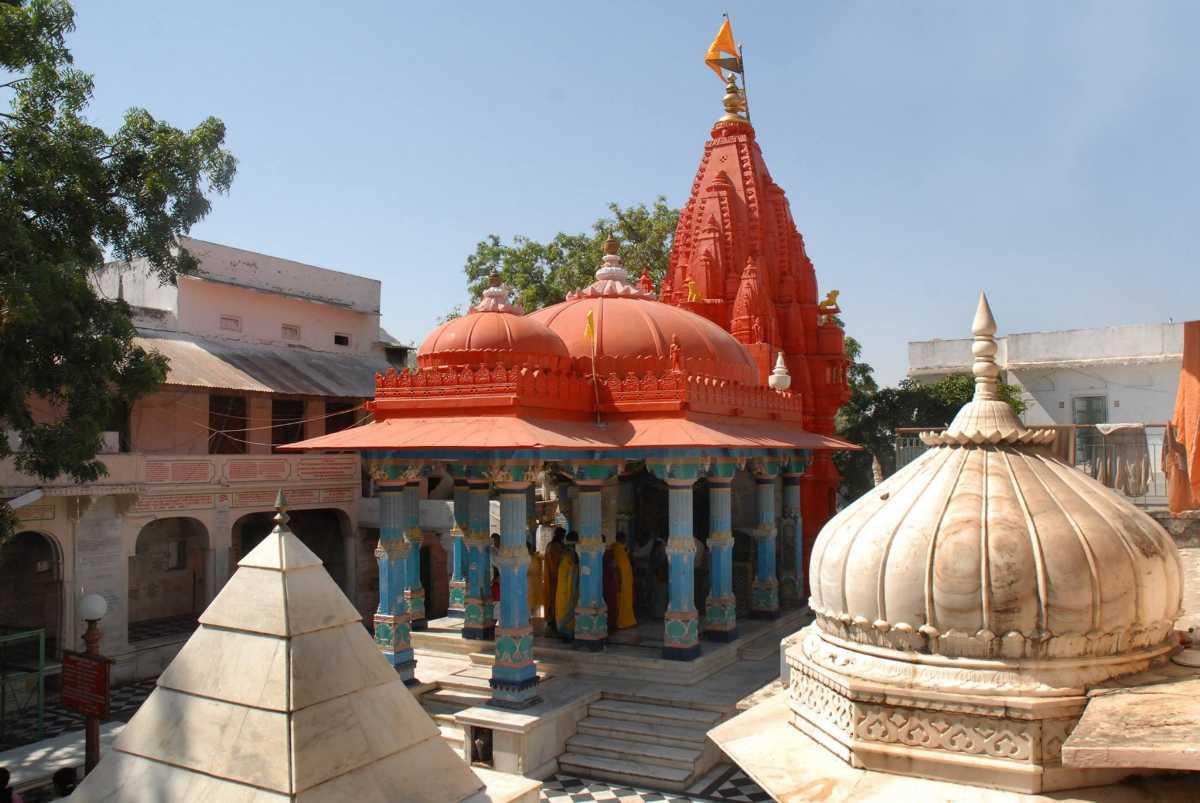
The Brahma Temple in Pushkar is one of the most revered and mysterious temples in India, dedicated to Lord Brahma, the creator of the universe. Situated near the sacred Pushkar Lake, this temple is one of the very few shrines dedicated to Brahma, which has puzzled historians and devotees alike. While mythology attributes its existence to divine intervention, historians and scholars have sought factual explanations for its origins. This article delves into the fascinating legends and historical realities surrounding this enigmatic temple.
The Mythological Tale of the Brahma Temple
Hindu mythology is rich with stories of gods, sages, and celestial events, and the origin of the Brahma Temple is no exception. According to legend, Lord Brahma once performed a yajna (sacred fire ritual) at the site where the temple now stands. To ensure the sanctity of the ritual, he needed his wife, Saraswati, to be present. However, when she failed to arrive on time, Brahma, in his impatience, married a local maiden, Gayatri, and completed the yajna with her instead.
When Saraswati finally arrived and discovered this betrayal, she was furious. In a fit of rage, she cursed Brahma, declaring that he would never be worshipped anywhere except in Pushkar. This is the reason why, despite being one of the supreme deities in Hinduism, temples dedicated to Brahma are extremely rare.
Another version of the myth suggests that after the yajna, Lord Brahma dropped a lotus flower, and from the petals, three sacred lakes were formed—Pushkar, Madhya Pushkar, and Kanishta Pushkar. These lakes became the focal point of religious activities, making Pushkar one of the holiest pilgrimage sites in India.
The Historical Reality of the Brahma Temple
While the mythological stories make for fascinating tales, historians and archaeologists offer a different perspective. The Brahma Temple, as it stands today, is believed to have been constructed in the 14th century, though references to earlier structures date back to the 8th century. Some historians suggest that the temple was originally built by the Gurjara-Pratihara rulers, who were great patrons of Hindu temples.
Ancient scripts and inscriptions found in and around Pushkar indicate that the temple may have existed in some form even before the 8th century but was likely destroyed and rebuilt multiple times due to invasions and natural wear. The Mughals, particularly Aurangzeb, were known for their campaigns against Hindu temples, and some accounts suggest that the Brahma Temple was one of the many structures affected during his reign.
The present-day temple, built primarily of marble and stone, features exquisite architectural details that reflect Rajasthani craftsmanship. The temple’s red spire and the statue of the divine swan (Brahma’s mount, Hamsa) are prominent features that attract devotees and tourists alike.
Rituals and Traditions at the Brahma Temple
Despite the myths surrounding its existence, the Brahma Temple continues to be an important pilgrimage site. It follows unique rituals that set it apart from other Hindu temples.
- Only married men are allowed to perform certain rituals, as Brahma’s experience with Saraswati and Gayatri has been linked to the sanctity of marriage.
- The most significant festival celebrated here is Kartik Purnima, which sees thousands of devotees gather to take a holy dip in Pushkar Lake before offering prayers at the temple.
- Devotees often visit the nearby Savitri Temple, dedicated to Goddess Saraswati, as part of their pilgrimage to seek blessings for marital harmony.
Many visitors combine their pilgrimage with a Pushkar Sightseeing Tour, exploring the town’s vibrant bazaars, ghats, and other historical sites.
Mystical Energy and Spiritual Significance
Pushkar is often regarded as one of the most spiritually charged places in India. Many seekers and yogis believe that the Brahma Temple and its surroundings possess a unique energy that facilitates meditation and self-discovery. The temple, along with the sacred lake, is considered one of the five major pilgrimage sites (Panch Tirtha) in Hinduism, drawing sages and spiritual seekers from across the globe.
The temple’s serene environment and the rhythmic chanting of mantras create an ambiance that feels otherworldly. Many visitors report experiencing an inexplicable sense of peace and divinity while sitting on the temple steps, watching the sunrise over the tranquil waters of Pushkar Lake.
Tourism and the Cultural Impact of the Brahma Temple
Beyond its religious significance, the Brahma Temple is a major tourist attraction, contributing to Pushkar’s vibrant cultural landscape. Travelers from around the world visit Pushkar not only to seek divine blessings but also to immerse themselves in its rich traditions, festivals, and art forms.
The town is famous for its Pushkar Camel Fair, an annual event that attracts traders, performers, and visitors from different parts of the world. The fair showcases Rajasthan’s folk culture, handicrafts, and traditional music, making it a must-visit for anyone wanting to experience the authentic flavors of India.
For those looking for an immersive stay, Best resort in Pushkar accommodations offer an unparalleled blend of comfort and heritage, allowing visitors to experience the town’s timeless charm in luxury.
Conclusion: Myth and History Coexist in Pushkar
The Brahma Temple in Pushkar is a fascinating example of how mythology and reality often intertwine in India’s cultural and religious landscape. While the legend of Brahma’s yajna adds a mystical dimension to the temple’s history, the archaeological and historical evidence offers a more grounded perspective. Regardless of one’s beliefs, the temple remains a place of deep spiritual significance, attracting both devout pilgrims and curious travelers alike.
Whether you visit for religious reasons, historical intrigue, or simply to soak in the serene beauty of Pushkar, the Brahma Temple stands as a timeless symbol of India’s rich spiritual heritage.

