


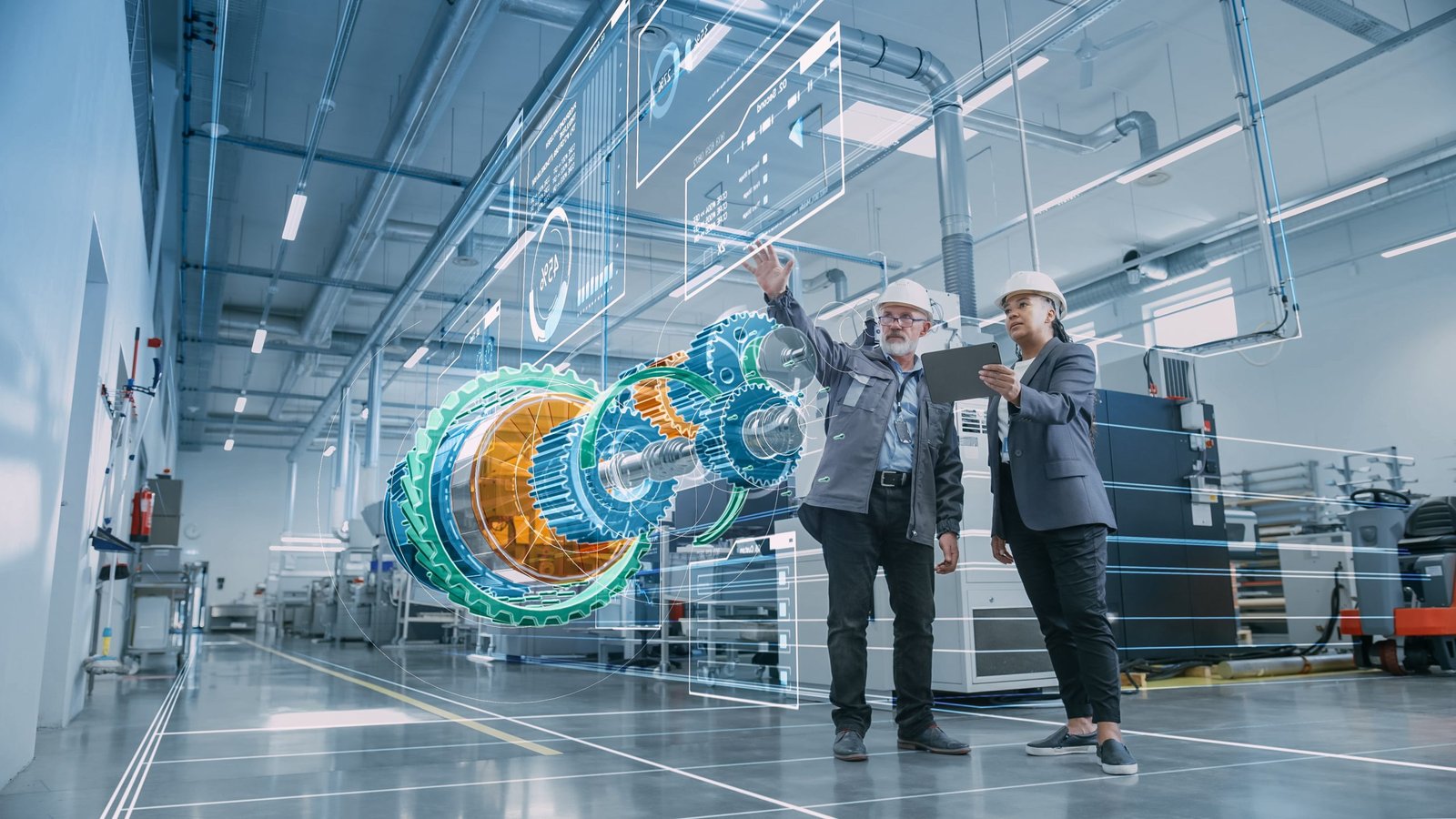
Understanding the Importance of Safety Audits
Safety audits play a critical role in ensuring workplace safety, minimizing risks, and enhancing compliance with regulatory standards. These audits assess an organization’s adherence to safety protocols, identifying gaps that could lead to hazards. As industries evolve, so do the methodologies and technologies behind safety audits. The future of safety audits will be defined by advanced data analytics, automation, and real-time monitoring, making them more efficient and accurate than ever before.
In this article, we explore emerging trends, technological advancements, and best practices shaping the future of safety audits.
What Are the Latest Trends in Safety Audits?
The landscape of safety audits is changing rapidly, with several key trends redefining the process. These trends focus on proactive risk management, real-time monitoring, and data-driven decision-making. Some of the most notable developments include:
- Integration of IoT and Smart Sensors – The use of Internet of Things (IoT) devices in safety audits has grown significantly. Smart sensors collect real-time data on temperature, air quality, equipment condition, and hazardous exposure levels, allowing for more precise safety evaluations.
- Predictive Analytics and AI-Based Audits – Artificial intelligence (AI) and machine learning algorithms are now being used to analyze historical data and predict potential safety hazards before they occur. AI-driven audits reduce human error and improve efficiency.
- Cloud-Based Safety Management Systems – Traditional safety audits often rely on manual documentation. However, cloud-based systems enable organizations to store, access, and analyze safety audit data from anywhere, facilitating better collaboration and reporting.
- Remote Auditing and Virtual Inspections – The COVID-19 pandemic accelerated the adoption of remote auditing techniques. Drones, augmented reality (AR), and virtual reality (VR) are being used for remote site inspections, minimizing disruptions to operations.
- Regulatory Compliance Automation – With increasing regulatory requirements, compliance automation tools streamline audit processes by automatically updating regulations, tracking compliance status, and generating reports.
These trends are making safety audits more effective, predictive, and less time-consuming, helping organizations achieve better safety outcomes.
How Is Technology Transforming Safety Audits?
Technology is revolutionizing how safety audits are conducted. Modern tools and software solutions are making audits more data-driven, efficient, and actionable. Here’s how different technologies are influencing safety audits:
1. Digital Checklists and Mobile Apps
Traditional paper-based audits are being replaced by mobile applications and digital checklists, improving accuracy and accessibility. These apps allow real-time data entry, automated report generation, and instant sharing of findings.
2. Artificial Intelligence for Risk Assessment
AI-driven safety audits use historical data to identify patterns and predict potential hazards. AI-powered safety management systems can flag risks before they escalate, reducing workplace accidents.
3. Drones for Inspections
Drones are now widely used in high-risk industries such as construction, mining, and oil & gas. They conduct aerial inspections of hazardous areas, reducing the need for manual intervention in dangerous environments.
4. Internet of Things (IoT) and Wearable Technology
IoT-enabled devices provide real-time monitoring of environmental conditions and worker safety. Wearable technology, such as smart helmets, vests, and biometric sensors, helps track fatigue levels, exposure to harmful substances, and location tracking in high-risk zones.
5. Blockchain for Secure Data Storage
Blockchain technology ensures tamper-proof audit records, enhancing transparency and trust. Organizations can store safety audit results securely, reducing the risk of data manipulation.
These advancements demonstrate how technology is making safety audits smarter, faster, and more reliable.
Best Practices for Conducting an Effective Safety Audit
To ensure a safety audit is effective and provides meaningful insights, organizations must adopt best practices that align with industry standards. Here are some key recommendations:
1. Establish Clear Objectives
Before conducting a safety audit, define the scope, objectives, and key performance indicators (KPIs). Clear goals help streamline the process and focus on critical areas of improvement.
2. Use a Comprehensive Checklist
A well-structured audit checklist ensures all safety aspects are covered. The checklist should be tailored to the organization’s industry, regulatory requirements, and operational risks.
3. Leverage Expert Insights
Collaborating with experienced safety consultants ensures audits are conducted efficiently and align with best industry practices. Experts provide an unbiased evaluation of workplace safety standards.
4. Implement a Corrective Action Plan
The audit process should not end with identifying safety issues; corrective actions must be implemented to address risks. A well-defined action plan helps organizations mitigate potential hazards effectively.
5. Conduct Regular Safety Audits
Frequent safety audits help organizations maintain compliance and proactively identify risks before they escalate.
6. Train Employees and Promote a Safety Culture
Workplace safety is a collective responsibility. Employees should be trained on safety protocols, emergency response procedures, and hazard identification techniques.
7. Monitor Audit Results and Improve Continuously
Safety audits should be a continuous improvement process. Organizations should analyze audit findings, measure progress, and refine safety protocols accordingly.
By following these best practices, organizations can strengthen their safety audit framework, ensuring a safer work environment for employees.
The Role of Safety Audits in Enhancing Workplace Safety
Safety audits play a vital role in reducing workplace accidents, improving regulatory compliance, and fostering a culture of safety. In industries where hazardous operations are common, audits help identify risks, enforce preventive measures, and ensure adherence to safety standards.
Additionally, specialized audits such as Hazop Study are used in industries dealing with hazardous chemicals and processes. These studies assess potential deviations in process operations and recommend safety measures to mitigate risks.
Similarly, Process Safety Management frameworks help industries maintain a structured approach to managing hazardous processes, minimizing the likelihood of catastrophic incidents.
For fire safety, Fire Audits ensure buildings and industrial facilities are compliant with fire safety regulations, reducing fire-related risks and protecting assets.
Conclusion
The future of safety audits is being shaped by technological advancements, data-driven decision-making, and proactive risk management strategies. With the integration of AI, IoT, blockchain, and predictive analytics, safety audits are becoming more efficient, accurate, and insightful.
Organizations must embrace these emerging trends and best practices to enhance workplace safety, comply with regulations, and prevent hazards effectively. By leveraging expert insights, adopting modern tools, and fostering a safety-first culture, businesses can ensure a safer, more compliant, and risk-free environment for their workforce.

