


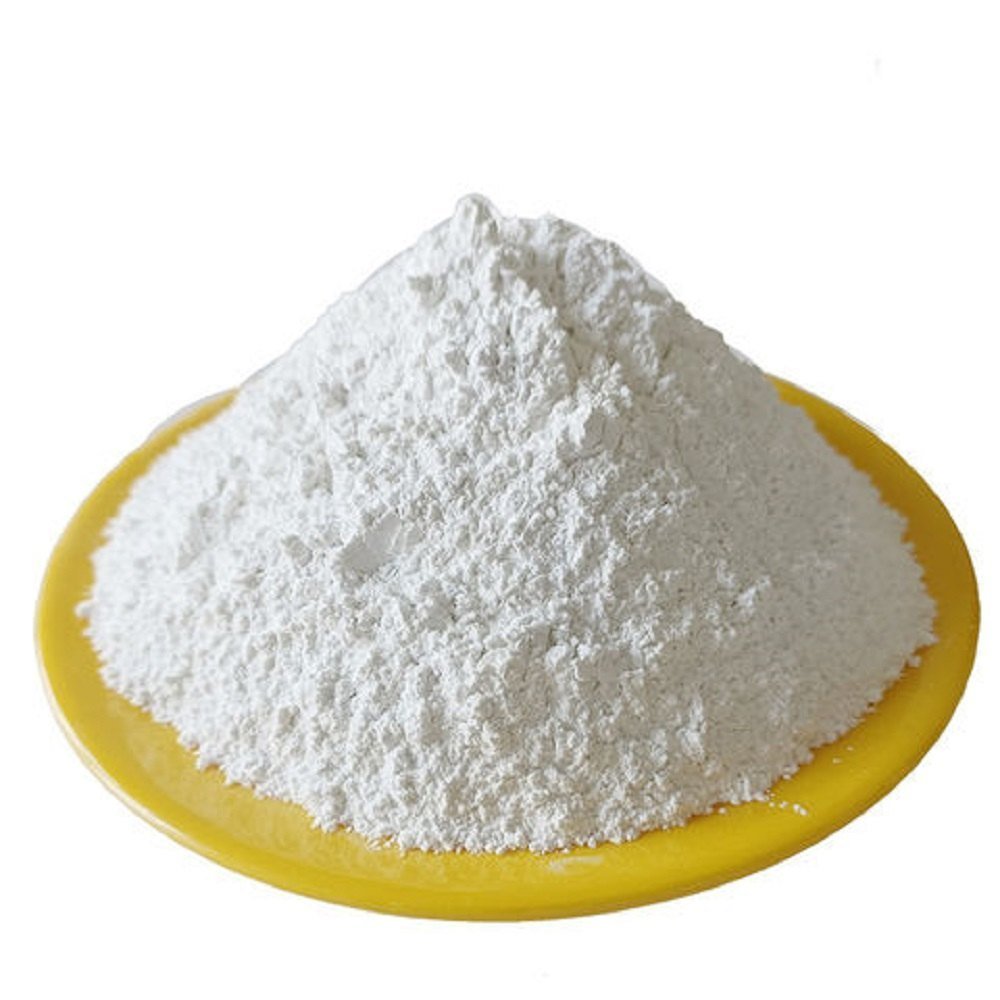
Activated calcium carbonate is an essential compound used in a variety of industries, including manufacturing, construction, and paper production. Its unique properties make it a valuable ingredient in processes requiring high-quality and refined materials. Understanding the production process of this compound helps to appreciate its importance and wide range of applications.
What Is Activated Calcium Carbonate?
Activated calcium carbonate is a modified form of calcium carbonate that has been processed to enhance its properties, making it more reactive and effective in certain applications. This compound has superior performance compared to standard calcium carbonate due to its high purity and finely controlled particle size, which makes it ideal for applications that require fine materials.
The Raw Material: Natural Calcium Carbonate
The first step in making activated calcium carbonate begins with sourcing natural calcium carbonate, typically found in the form of limestone, marble, or chalk. These raw materials are mined and crushed into smaller particles. The quality of the source material is crucial, as impurities can affect the final product’s quality and performance.
The Processing Stage
The production of activated calcium carbonate involves several key steps to convert natural calcium carbonate into a highly reactive form. The first stage typically involves a process called calcination, where raw limestone or marble is heated at high temperatures, usually above 900°C. This heat treatment decomposes the calcium carbonate, releasing carbon dioxide and leaving behind quicklime (calcium oxide).
Quicklime is then mixed with water in a process known as slaking, which results in the formation of calcium hydroxide. This step is crucial as it prepares the compound for further activation.
Activation of Calcium Carbonate
The next stage involves the carbonation of calcium hydroxide. In this phase, the calcium hydroxide is exposed to carbon dioxide gas. This interaction leads to the formation of fine calcium carbonate particles that are more reactive due to their specific properties. The conditions under which carbonation occurs—such as temperature, pressure, and the concentration of carbon dioxide—are carefully controlled to ensure that the calcium carbonate is activated optimally.
Once the carbonation is complete, the product is filtered and washed to remove any residual impurities or byproducts. This step helps in refining the compound further, making it more suitable for industrial applications.
Final Processing and Quality Control
The activated calcium carbonate is then dried to remove any remaining moisture. This can be done using different drying methods, including rotary dryers or flash dryers, depending on the desired particle size and the nature of the product being produced. After drying, the compound is sifted and classified according to its particle size to meet the specifications needed for various industries.
Quality control is an essential part of the final stages of production. Samples are tested to ensure that the product meets the required chemical composition and has the desired particle size distribution. This step ensures that the activated calcium carbonate will perform effectively in its intended applications.
Applications of Activated Calcium Carbonate
Activated calcium carbonate is used in multiple industries due to its unique properties. It is commonly added to the paper industry as a filler or coating agent to improve brightness and smoothness. In construction, it is used to enhance the properties of cement and as a building material due to its high reactivity. Additionally, activated calcium carbonate finds applications in the plastic industry as a filler to improve durability and reduce production costs.
The compound’s properties also make it ideal for use in the paint industry, where it serves as a pigment extender, providing a white base that enhances color quality and consistency. Its fine particle size and high reactivity contribute to the effectiveness of these applications.
Conclusion
Activated calcium carbonate is made through a multi-step process that involves heating natural calcium carbonate, slaking it to form calcium hydroxide, and then reacting it with carbon dioxide to produce a highly reactive compound. With its fine particle size and enhanced properties, it serves a wide range of industrial purposes, from the paper and paint industries to construction and plastics. The careful production and quality control processes ensure that the final product meets the needs of various applications, making it a vital material in many sectors.

