


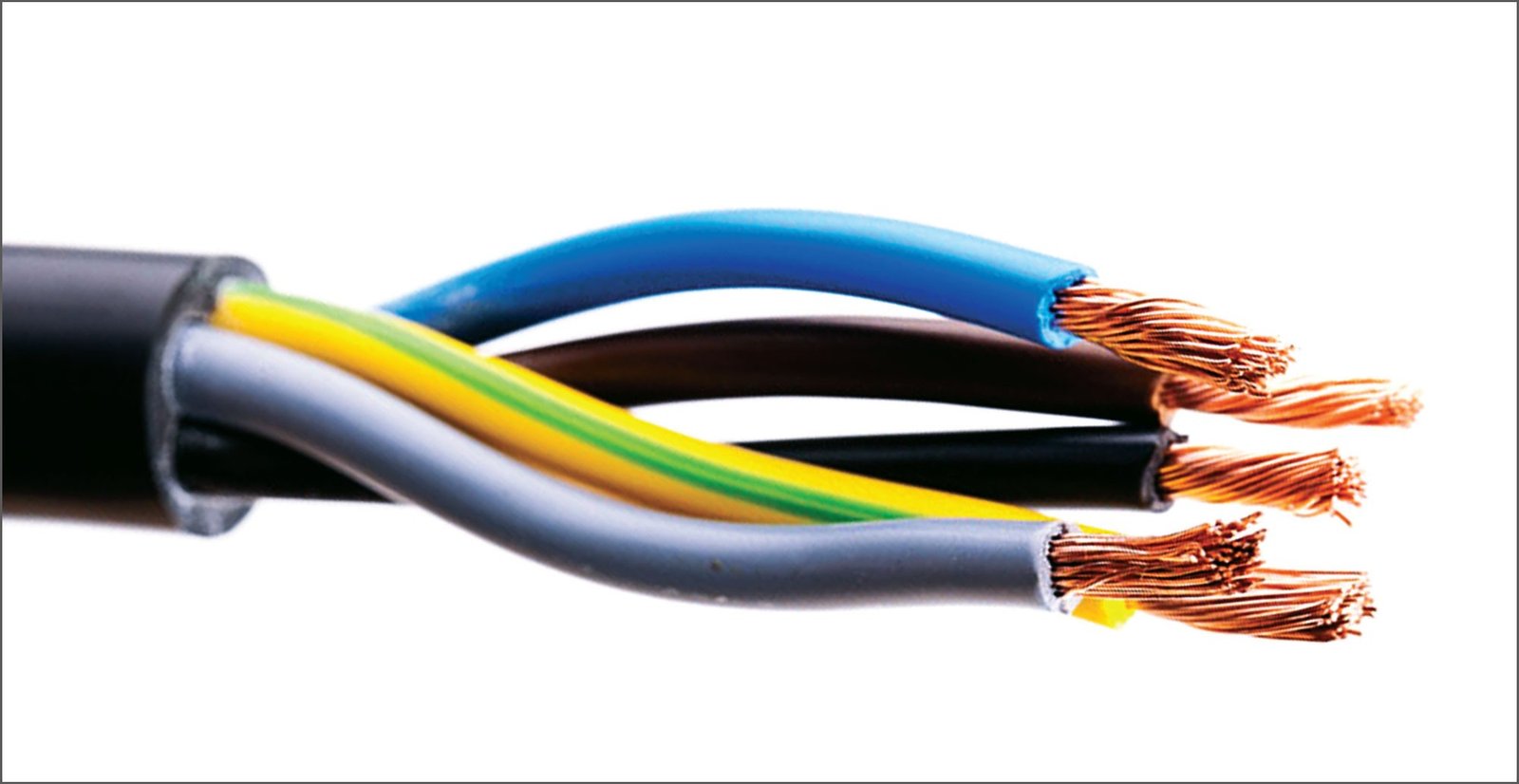
As technology advances, the demand for smarter, safer, and more efficient infrastructure continues to grow. One of the most crucial aspects of modern buildings and facilities is the Low Current System, which plays a significant role in ensuring safety, security, and seamless communication. These systems operate at lower voltage levels and include components like fire alarm systems, CCTV surveillance, access control, public address systems, and structured cabling for data and communication networks. Their integration into infrastructure enhances reliability while minimizing risks associated with high-voltage electrical systems.
Enhancing Safety with Low Current Systems
Safety is a primary concern in any infrastructure, whether it’s a residential complex, commercial building, or industrial facility. Low current systems contribute to safety in multiple ways. Fire alarm systems detect smoke or heat early, allowing for immediate response and evacuation. CCTV surveillance systems provide real-time monitoring, reducing security threats and unauthorized access. Access control systems restrict entry to authorized personnel, ensuring that only permitted individuals can access sensitive areas. Public address systems enable quick communication during emergencies, guiding occupants to safety. By integrating these low current solutions, modern buildings can significantly enhance safety measures while complying with regulatory requirements.
Improving Efficiency Through Smart Technology
Efficiency is another critical aspect of infrastructure development, and low current systems contribute to it in several ways. Structured cabling solutions ensure seamless connectivity for data transmission, reducing downtime and improving overall communication networks. Automation systems optimize energy consumption by controlling lighting, HVAC, and other electrical components. These technologies not only reduce energy wastage but also improve operational efficiency. With the implementation of low current solutions, businesses and organizations can streamline processes, enhance productivity, and lower maintenance costs.
Integration of Low Current Systems in Smart Buildings
Smart buildings rely heavily on low current technology for automation, security, and communication. Integrated Building Management Systems (BMS) use low current networks to monitor and control various functions such as lighting, climate control, and security surveillance. The ability to remotely manage these systems through centralized platforms enhances operational control and minimizes manual intervention. Furthermore, the scalability of these solutions allows for easy upgrades and future expansions, making them a sustainable choice for modern infrastructure.
The Role of Low Current Systems in Industrial and Commercial Sectors
Industrial and commercial sectors benefit significantly from low current solutions as they help in managing large-scale operations efficiently. In industrial facilities, fire detection and suppression systems ensure workplace safety, while surveillance and access control systems enhance security measures. In commercial spaces like shopping malls, corporate offices, and hospitals, structured cabling and communication networks facilitate smooth operations. These systems also support data centers and IT infrastructure by ensuring reliable connectivity, reducing network failures, and improving overall performance.
Why Choose the Right Electrical Solutions Provider
Selecting the right partner for low current system installation is crucial to ensuring long-term reliability and efficiency. A trusted service provider will offer expertise in designing, installing, and maintaining these systems while ensuring compliance with safety regulations. At Top Electrical Solution Company in Rajasthan, we specialize in providing comprehensive electrical and low current solutions tailored to the needs of modern infrastructure. Our team at Manikaran Enterprises ensures that every project is executed with precision, integrating cutting-edge technology to enhance safety and efficiency.
Conclusion
The role of low current systems in infrastructure development cannot be overstated. These systems are vital for ensuring safety, improving efficiency, and supporting smart technology integration in modern buildings. Whether it is fire safety, surveillance, access control, or structured cabling, low current solutions are essential for seamless operations. As technology continues to evolve, the demand for efficient and intelligent infrastructure will only grow, making it crucial to invest in high-quality low current solutions. Partnering with an experienced provider ensures that your infrastructure remains safe, secure, and future-ready.

